Saturday, 6 August 2011

Wheatear Family

For some time now I have been trying to get a good shot of a male Northern Wheatear a bird which I consider to be very striking when in full breeding plumage, which we a lucky enough to see at this time of year. And so this year I have made a concerted effort, I was lucky and in the process even managed to get some good shots of a female and a fledgling.
Europe can boast 13 different species of Wheatear some resident and others rare and not so rare visitors. But the only species we get as a regular summer visitor in this country is the Northern Wheatear when it comes to breed during the summer months.  It usually breeds in stony areas such as the uplands of the Pennines, Snowdonia Cumbria, Scotland, etc but can also be found along the coasts. During migration times, spring and autumn, we can also get Northern Wheatears passing through from Greenland and even Canada on their way to and from North Africa where they spend the winter months.

Male Wheatear
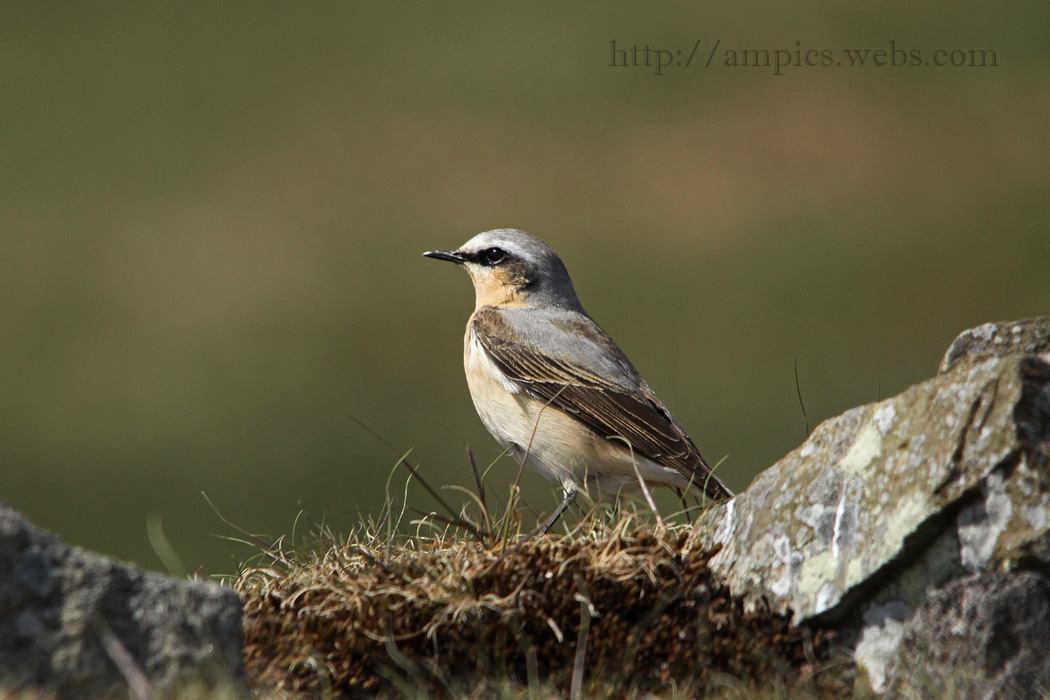
Female Wheatear

Fledgling Wheatear


Photo Website :- http://ampics.webs.com

Tuesday, 19 July 2011

Changing face of Starlings.

I feel Starlings are a bird that is much overlooked. They're probably best know for their swirlling flocks swarming across our skies in winter, when we get large numbers arriving from the northern parts of the European continent. There are many different kinds of Starling around the world and they can be some of the most colourful birds you could wish to see. Europe hold just 3 species, the Common Starling (native to the UK and mainland Europe), the Spotless Starling (native to Iberia and the islands of the western Mediterranean) and the Rose-coloured Starling which can be seen in the far east of the continent in the summer months. The Common Starling is not as plain as most people think, with iridescent plumage and arrow head spots they can, in the right light, be very interesting. Starlings also subtlety change their  plumage over the year, in the winter they replace feathers worn out during the breeding season, in spring the beak colour changes from black to yellow then after breeding the beak turns back to black and the feathers are showing signs of needing replacement as the birds have not been able to keep up with cleaning and preening their feathers having been kept extremely busy feeding chicks at the nest.

Late winter bird with fresh plumage but still keeping its black beak.

Pre-breeding bird with fresh plumage and the beak starting to turn yellow.

Post breeding bird with worn plumage and beak turned back to black.
Photo Website :- http://ampics.webs.com/

Saturday, 16 July 2011

Garden babies

I'm new to this Blogging thing, but here goes....

The weather hasn't been good for nature photography lateley but I did manage to get out the other day to take some pics of this years babies visiting the back garden feeders apart from a fledgling Blue Tit which I was unable to photograph I did get these 2, a young Starling and a House Sparrow you can still see the gape in the corners of the House Sparrows beak.


At the same time an adult Blue Tit arrived, its just starting to go into its post breeding moult as you can see by its tatty appearance.